

It is important you know who we are and what makes our church unique. Below, we’ve distilled some of the most special and foundational aspects of The Peak Church.
Together, we are a church committed to…
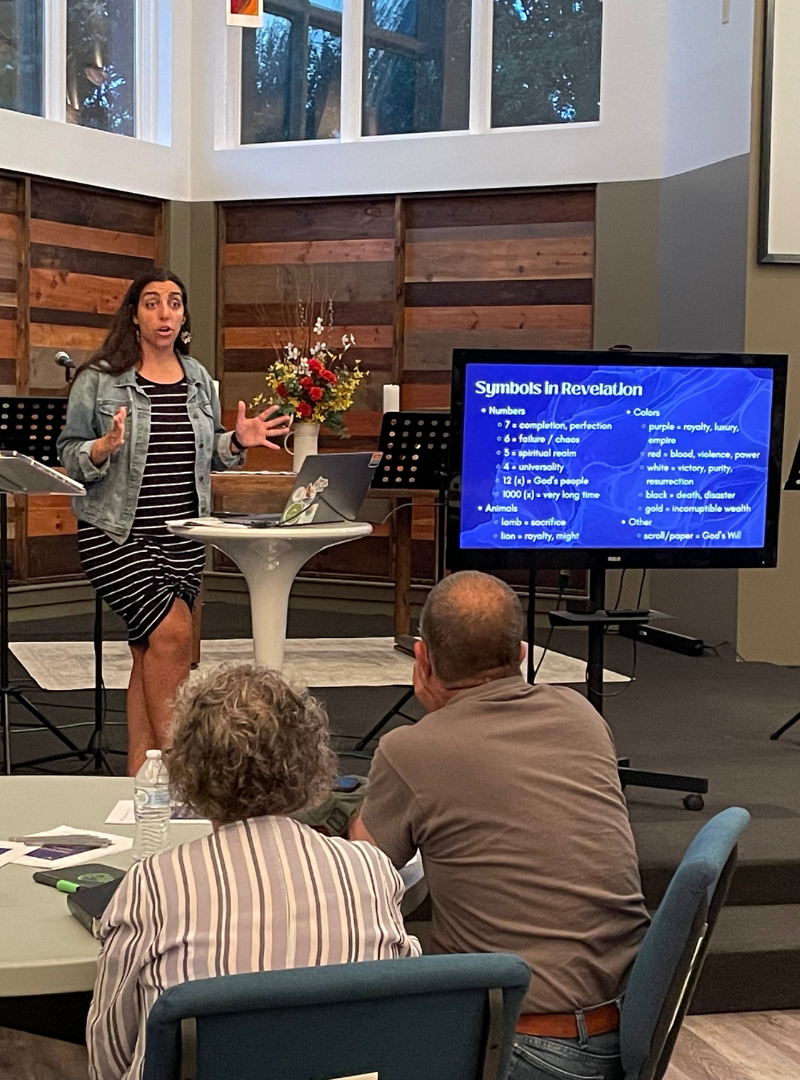
1) Discipling one another in the ways of Jesus with a deep respect for biblical scholarship, science, and reason
Here at The Peak, we engage faith with both an open heart and an open mind. Paul reminds us in Romans 12 that we are transformed by the renewing of our minds. We don’t see faith and science as opposing teams, but complementary in enhancing our pursuit of truth. During a sermon or Bible Study, you might hear a reference from leading thinkers outside the realm of theology. Our approach to studying scripture seeks to align our interpretations with logical reason, human experience, Church tradition, and biblical scholarship. Even with our younger disciples, we hope to model the importance of studying the Bible in context.
2) Including and affirming every person in the transformative love of Christ
We believe every person is made in the image of God and worthy of love, dignity, and belonging. Thus, we seek to create a community where people of all backgrounds, identities, and even those who are still exploring faith, can participate in the ministries of this church. This includes but is not limited to worship, receiving communion, volunteering in a ministry, joining a small group, becoming a member, and serving in leadership. In the Gospels, Jesus welcomed everyone who wished to experience God’s grace and live a redeemed life. At The Peak, we hope to be a church that reclaims this practice so that the Holy Spirit may transform hearts and lives with God’s radical embrace. This commitment does not come at the expense of fostering and maintaining a safe and respectful environment.


3) Ministering to the whole person – spirit, mind, and body
The Great Commandment in Matthew 22 reminds us that we are not just a soul, but also a heart, a mind, and a body. Thus, each of us needs not only spiritual support, but also resources for our physical, mental, and emotional needs as well. As the church, we see our role as either providing support or connecting members of our community to the type of support they are seeking. For example, our Care Team is trained to walk alongside members who are going through grief, job loss, surgeries, divorce, and other life events. Additionally, we will preach and teach on topics like mental health when appropriate. However, we also acknowledge the limits of what our church can provide. As a result, we commit to identifying and providing referrals to outside organizations that provide therapy, counseling services, addiction treatment programs, legal aid, financial assistance, and more.
4) Partnering with community leaders to serve our neighbors with urgency and humility
We are a church that seeks to understand issues before we act, so we always start by listening. In this way, we hope our local and global communities see us as true helpers to those in need, as well as those already working to provide solutions. We aim for a holistic missional approach with initiatives that address both short-term and long-term needs. Our efforts are both responsive and preventative. For example, our church will feed those who are hungry now, while also partnering with organizations to break the cycles of hunger and poverty before they begin. Ultimately, we want to see both people and our society as a whole being made new (Revelation 21).

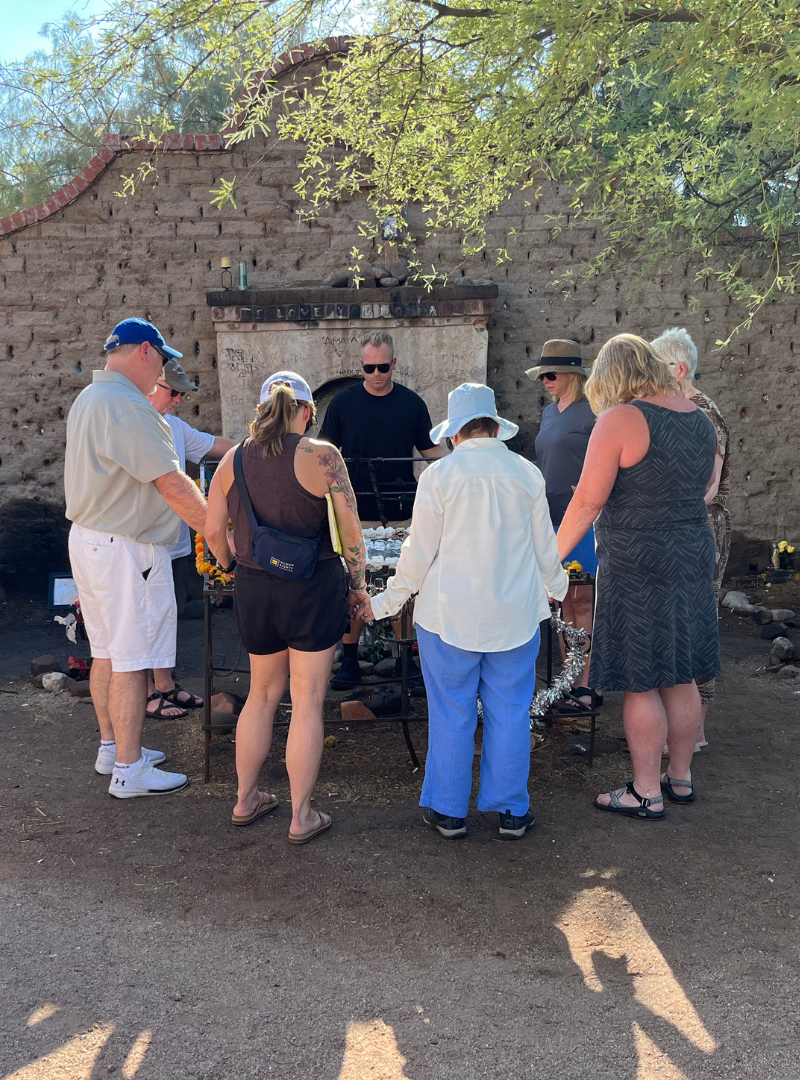
5) Responding to injustice and oppression with courage, compassion, and faithfulness
Loving our neighbors is a central theme found not only in Jesus’ teaching, but the Bible as a whole. At our church, we have learned that loving our neighbors is done both personally and communally. Sometimes this love requires engaging the systems, structures, and institutions that govern our daily lives. In those spaces, we will work for peace and justice using the Gospel as our guide (not political affiliations). In this way, we hope to be a church helping to fulfill Christ’s vision of both preaching the Good News and liberating the oppressed (Luke 4).