
Here at The Peak, we affirm all of the essential doctrines and dogmas that have anchored the Christian Church ever since it’s birth at Pentecost in Acts 2.  For a brief description on each of those core statements, see below:

We believe in the one true, holy and living God, Eternal Spirit, who is Creator, Sovereign and Preserver of all things visible and invisible. He is infinite in power, wisdom, justice, goodness and love, and rules with gracious regard for the well-being and salvation of men, to the glory of his name. We believe the one God reveals himself as the Trinity: Father, Son and Holy Spirit, distinct but inseparable, eternally one in essence and power.
We believe in Jesus Christ, truly God and truly man, in whom the divine and human natures are perfectly and inseparably united. He is the eternal Word made flesh, the only begotten Son of the Father, born of the Virgin Mary by the power of the Holy Spirit. As ministering Servant he lived, suffered and died on the cross. He was buried, rose from the dead and ascended into heaven to be with the Father, from whence he shall return. He is eternal Savior and Mediator, who intercedes for us, and by him all men will be judged.
We believe in the Holy Spirit who proceeds from and is one in being with the Father and the Son. He convinces the world of sin, of righteousness and of judgment. He leads men through faithful response to the gospel into the fellowship of the Church. He comforts, sustains and empowers the faithful and guides them into all truth.
We believe the Holy Bible, Old and New Testaments, reveals the Word of God so far as it is necessary for our salvation. It is to be received through the Holy Spirit as the true rule and guide for faith and practice. Whatever is not revealed in or established by the Holy Scriptures is not to be made an article of faith nor is it to be taught as essential to salvation.
We believe the Christian Church is the community of all true believers under the Lordship of Christ. We believe it is one, holy, apostolic and catholic. It is the redemptive fellowship in which the Word of God is preached by men divinely called, and the sacraments are duly administered according to Christ’s own appointment. Under the discipline of the Holy Spirit the Church exists for the maintenance of worship, the edification of believers and the redemption of the world.
We believe the Sacraments, ordained by Christ, are symbols and pledges of the Christian’s profession and of God’s love toward us. They are means of grace by which God works invisibly in us, quickening, strengthening and confirming our faith in him. Two Sacraments are ordained by Christ our Lord, namely Baptism and the Lord’s Supper. We believe Baptism signifies entrance into the household of faith, and is a symbol of repentance and inner cleansing from sin, a representation of the new birth in Christ Jesus and a mark of Christian discipleship. We believe children are under the atonement of Christ and as heirs of the Kingdom of God are acceptable subjects for Christian Baptism. Children of believing parents through Baptism become the special responsibility of the Church. They should be nurtured and led to personal acceptance of Christ, and by profession of faith confirm their Baptism. We believe the Lord’s Supper is a representation of our redemption, a memorial of the sufferings and death of Christ, and a token of love and union which Christians have with Christ and with one another. Those who rightly, worthily and in faith eat the broken bread and drink the blessed cup partake of the body and blood of Christ in a spiritual manner until he comes.
We believe man is fallen from righteousness and, apart from the grace of our Lord Jesus Christ, is destitute of holiness and inclined to evil. Except a man be born again, he cannot see the Kingdom of God. In his own strength, without divine grace, man cannot do good works pleasing and acceptable to God. We believe, however, man influenced and empowered by the Holy Spirit is responsible in freedom to exercise his will for good.
We believe God was in Christ reconciling the world to himself. The offering Christ freely made on the cross is the perfect and sufficient sacrifice for the sins of the whole world, redeeming man from all sin, so that no other satisfaction is required.
We believe we are never accounted righteous before God through our works or merit, but that penitent sinners are justified or accounted righteous before God only by faith in our Lord Jesus Christ. We believe regeneration is the renewal of man in righteousness through Jesus Christ, by the power of the Holy Spirit, whereby we are made partakers of the divine nature and experience newness of life. By this new birth the believer becomes reconciled to God and is enabled to serve him with the will and the affections. We believe, although we have experienced regeneration, it is possible to depart from grace and fall into sin; and we may even then, by the grace of God, be renewed in righteousness.
We believe good works are the necessary fruits of faith and follow regeneration but they do not have the virtue to remove our sins or to avert divine judgment. We believe good works, pleasing and acceptable to God in Christ, spring from a true and living faith, for through and by them faith is made evident.
We believe sanctification is the work of God’s grace through the Word and the Spirit, by which those who have been born again are cleansed from sin in their thoughts, words and acts, and are enabled to live in accordance with God’s will, and to strive for holiness without which no one will see the Lord. Entire sanctification is a state of perfect love, righteousness and true holiness which every regenerate believer may obtain by being delivered from the power of sin, by loving God with all the heart, soul, mind and strength, and by loving one’s neighbor as one’s self. Through faith in Jesus Christ this gracious gift may be received in this life both gradually and instantaneously, and should be sought earnestly by every child of God. We believe this experience does not deliver us from the infirmities, ignorance, and mistakes common to man, nor from the possibilities of further sin. The Christian must continue on guard against spiritual pride and seek to gain victory over every temptation to sin. He must respond wholly to the will of God so that sin will lose its power over him; and the world, the flesh, and the devil are put under his feet. Thus he rules over these enemies with watchfulness through the power of the Holy Spirit.
We believe all men stand under the righteous judgment of Jesus Christ, both now and in the last day. We believe in the resurrection of the dead; the righteous to life eternal and the wicked to endless condemnation.
We believe divine worship is the duty and privilege of man who, in the presence of God, bows in adoration, humility and dedication. We believe divine worship is essential to the life of the Church, and that the assembling of the people of God for such worship is necessary to Christian fellowship and spiritual growth. We believe the order of public worship need not be the same in all places but may be modified by the church according to circumstances and the needs of men. It should be in a language and form understood by the people, consistent with the Holy Scriptures to the edification of all, and in accordance with the order and Discipline of the Church.

What makes The Peak unique...


Within those historic statements, there are also a handful of convictions that are distinct to our local faith community. You can read more about those below:

Explicitly Christian, but with an Open Mind

The New Testament is clear that all things originate from Jesus, and thus has the ability to work through all things (Colossians 1:15-17). Additionally, we are told that the Spirit is working above all, through all and in all (Eph 4:6). Thus, we want to be open to wherever and however God is at work in the world. You will never hear us say we have God figured out or that God only prefers our version of church. While holding firmly to our Christian convictions, we also want to be receptive to the Truth through whatever/whoever God decides to use. So, when you walk through our doors…whether you currently belong to our Methodist tradition, another denomination, another religion, or not ready to commit to any faith tradition, we are glad you’re here, we will respect your perspective, and seek to learn and grow alongside you.

Studying the Bible, but always in Context 

It is important that we acknowledge that all of scripture was written within a very unique context. Paul even names this fact in his letter to the Romans (15:4). Thus, when approaching the Bible, it is vital that we pay close attention to the social and historical factors in which it was composed (i.e. the complexities of the ancient languages, cultural norms of the Ancient Near East, historical events during the biblical timeline, etc.) Doing so not only ensures that we are interpreting scripture with accuracy, but it also strengthens our confidence in how we relate to God. Jesus cared about this a lot. Think about all the times when he said “you have heard it said, but I say to you” (Matthew 5). In the same way Jesus invited his audience to consider the limitations of the original composition of the Old Testament, we too must be very careful in discerning which parts of scripture are eternal/Gospel versus those bound by certain historical and intellectual limitations. Again, this helps us know God better; furthermore, it helps us avoid certain interpretations that accidentally condone violence, slavery, misogyny, etc.

Jesus gets the Final Word

Christians believe that Jesus was the clearest depiction of God we’ve ever had. The Gospel writers said as much when they wrote that the Incarnation was the only time in history where the “Word became flesh” (John 1:14). In fact, if Jesus is given the name Word (Grk: Logos), then that means he not only has the word of God, but is the final Word on who God is. Thus, whenever there are passages that seem to contradict the person and character of Jesus, his life and ministry serve as the filter. In fact, Jesus instructed us to do so himself. In John 5:39, he says: “You search the scriptures because you think they give you eternal life, but the scriptures point to me.” Here, Jesus was addressing the Pharisees who preferred fundamentalist, legalistic relationship to the scriptures. It is important we read these words not only as guidance for faithful biblical interpretation, but also a word of warning against expressions of spirituality that are alienating from God. 

All Persons will be Included and Affirmed at our Church

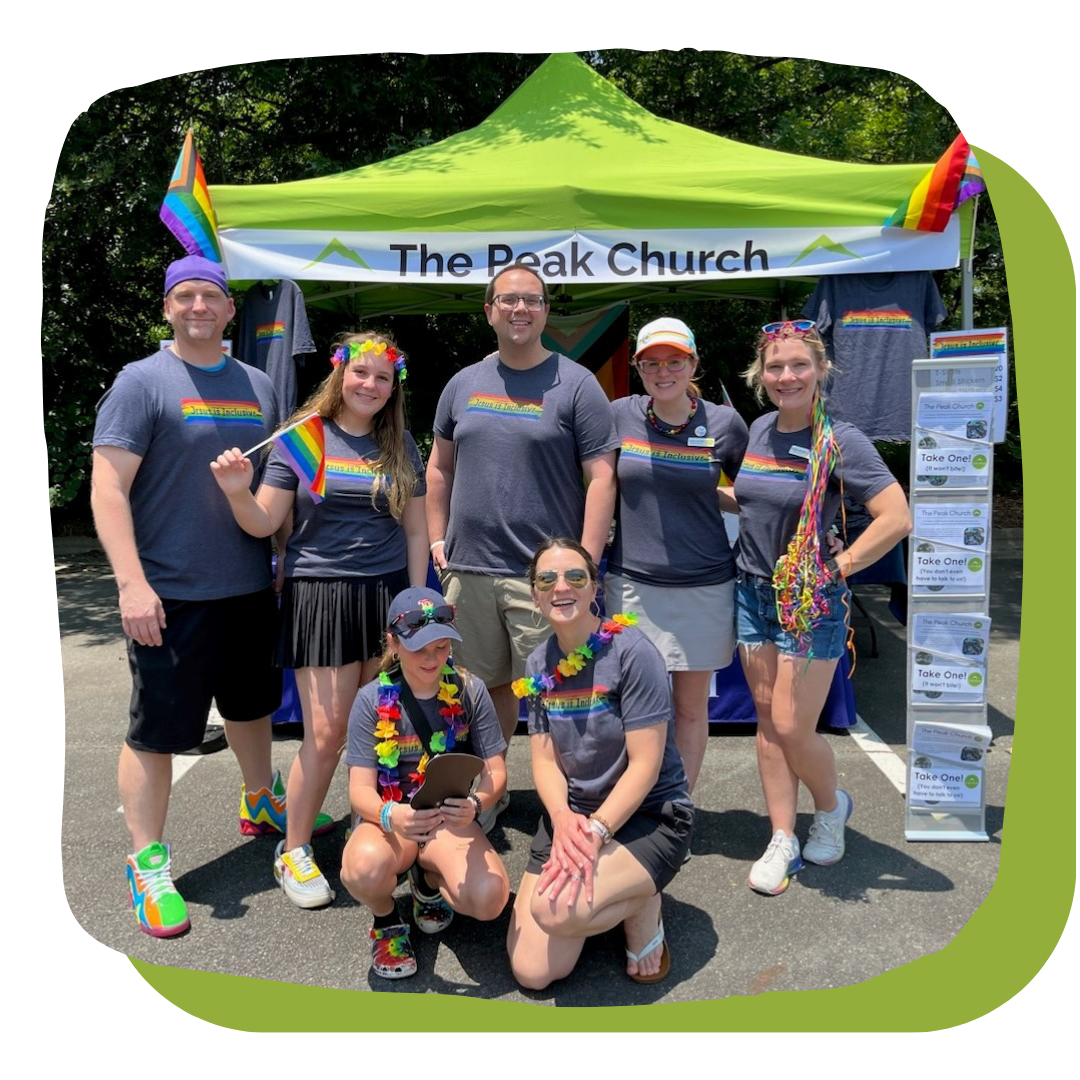
We take seriously the lesson in Acts 10 where the Spirit revealed to Peter that “God possesses no favoritism.” The Spirit was clear that nothing (and no one) God has created should ever be called unclean. Additionally, at the heart of the Gospel is the call to accept one another, because God first accepted us (Romans 15:7). Therefore, we will not prevent or limit participation at our church based on anyone’s race, gender, sexual orientation, age, cognitive abilities, or socio-economic status. All people are invited to attend worship, become members, partake in the sacraments, serve, and hold positions of leadership within our church. 

*For our specific teachings on LGBTQ inclusion, go to “Important Topics” under the Sermon Library.

The Peak Church is a United Methodist Congregation, which means we believe that:


Salvation is not just a Moment, but a Process

While many traditions preach the importance of getting “saved,” we see salvation more as a life-long journey. In fact, the New Testament spoke of it the same way when Paul instructs the church to keep “working out their salvation” (Philippians 2:12). The author of Hebrews suggested the same when they spoke of faith like a race to be finished (Hebrews 12:1-2). Certainly, the grace that God extends to us might lead us to an initial conversion moment; however, that is simply the first step in what we like to call “sanctification.” From there, you and I enter into a process by which God not only forgives our sin, but delivers us from the power sin has over our lives. Put differently, we believe God not only came to save us from death, but to save us from the forms of bondage and captivity that exist right here in THIS life as well (Romans 6).

Salvation is both Personal and Social

Starting in our Old Testament, there has been a call to not only love God, but to love justice (Micah 6:8, Amos 5:24). Moving into the New Testament, Jesus requires us to care of the least of these (Matthew 25) and James claims that faith without works is dead (James 2). This is what inspired the founder of the Methodist movement, John Wesley, to go on to say there is no such thing as private holiness. We must simultaneously perform vertical devotion to God and horizontal acts of compassion and justice toward our neighbors. Thus, here at The Peak, you will occasionally hear us engage tough topics like race, mental health, human sexuality, and poverty in attempts to be faithful not only to the call to love God, but to love our neighbors as ourselves (Matthew 22:37-40).

Don’t Check your Brain at the Door

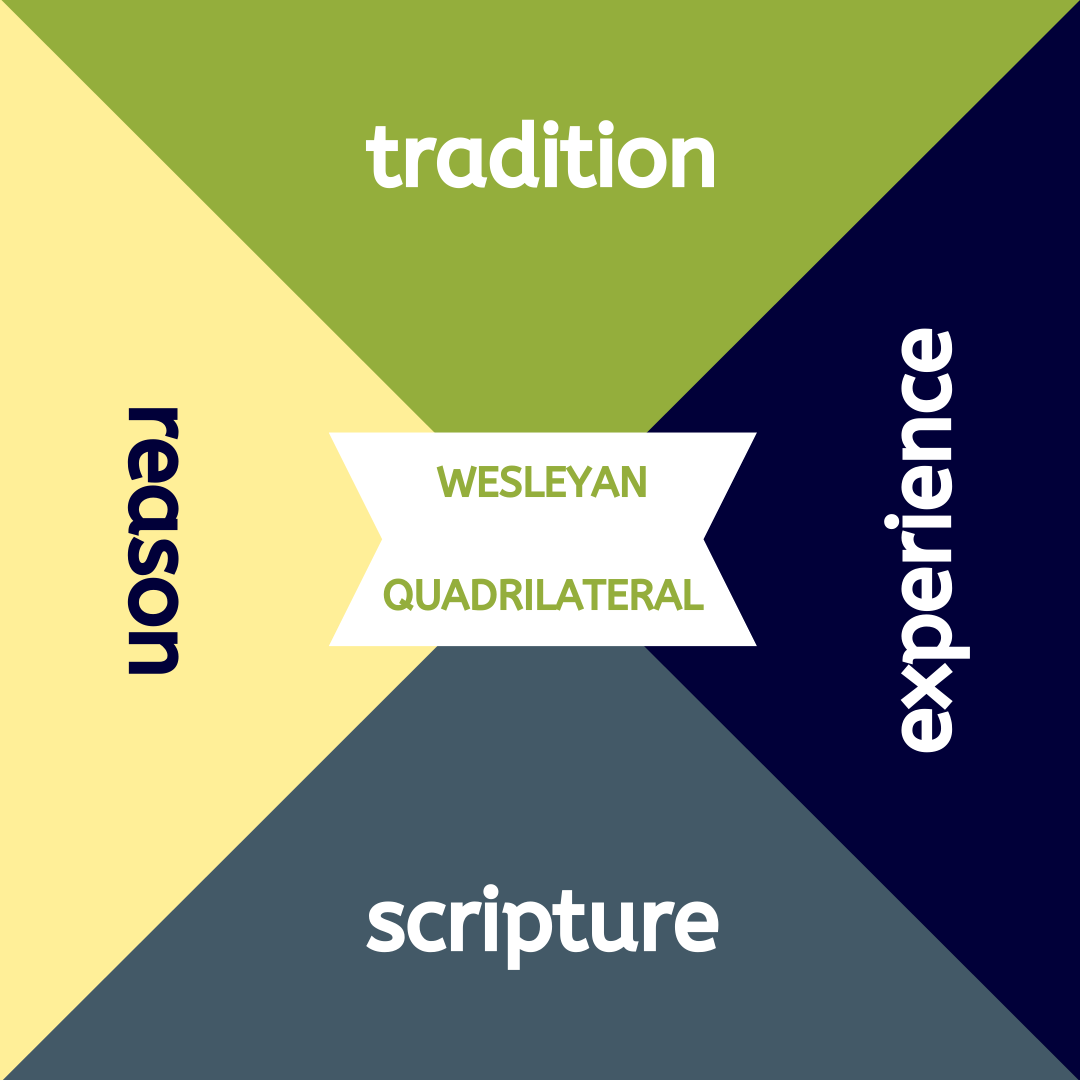
Jesus’ greatest commandment was to love the Lord with all your heart, soul, MIND, and strength (Mark 12:30). While we cannot rely totally on our own understanding (Proverbs 3:5), our intellect is certainly a gift from God to better understand Him, ourselves and our world. For example, at our church, faith and science do not oppose one another, but compliment each other. While the astronomer can tell you how the stars came into existence, the Christian can tell you about the Who behind them. Additionally, whenever Methodists study scripture, we do so using what’s called the “Wesleyan Quadrilateral.” This means that Scripture will always be our primary source for truth and understanding; however, we also believe utilizing our reason, the wisdom from our ancestors, and the gift of our personal experiences will aid us as we seek to arrive at an understanding of God that is most accurate and most faithful.